Spine Surgery
Spine Surgery – Restoring Comfort, Mobility, and Quality of Life
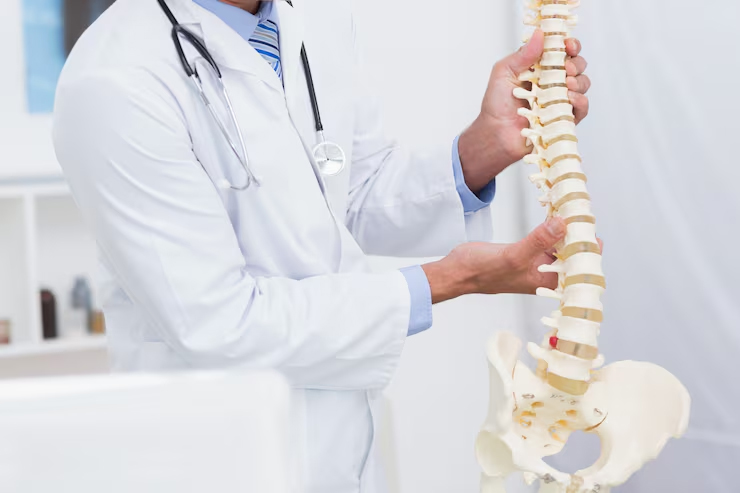
The spine is the backbone of your body—literally and figuratively. It not only supports your head, shoulders, and upper body but also protects the spinal cord, the main pathway for nerve signals between your brain and the rest of your body.
A healthy spine allows you to stand, sit, walk, bend, twist, and move freely without pain.When the spine is affected by injury, disease, or aging, the results can be life-altering—from constant back or neck pain to weakness in the arms or legs, and even problems with bladder or bowel control.
For many patients, spine problems can be managed with medications, physiotherapy, lifestyle changes, or injections.
However, when these treatments no longer work, Spine Surgery becomes an option to relieve pain, improve mobility, and prevent further damage.
Why Spine Problems Happen
Some common causes of spinal issues include:
- Degenerative diseases – Such as osteoarthritis, degenerative disc disease, or spondylosis
- Herniated or slipped discs – When the cushioning disc between vertebrae bulges or ruptures, pressing on nerves
- Spinal stenosis – Narrowing of the spinal canal causing nerve compression
- Traumatic injuries – Fractures or dislocations due to accidents or falls
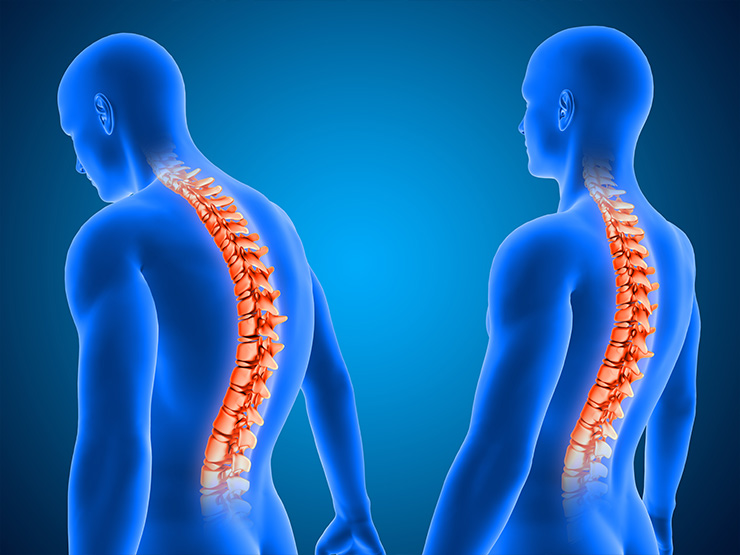
- Spinal deformities – Abnormal curves like scoliosis or kyphosis
- Infections and tumors – Affecting bones, discs, or spinal cord
- Osteoporosis – Weak bones leading to vertebral fractures
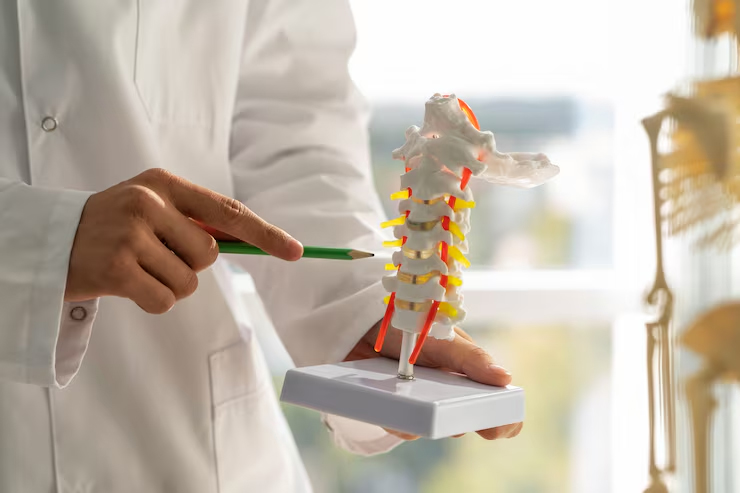
When Doctors Recommend Spine Surgery
Spine surgery is usually considered only when:
- Pain is severe and persistent despite medicines, rest, and physiotherapy
- There is numbness, weakness, or tingling in arms or legs due to nerve pressure
- Daily activities such as walking, bending, or lifting are difficult or impossible
- Spinal deformity is worsening and affecting posture or lung function
- Loss of bladder or bowel control occurs (medical emergency)
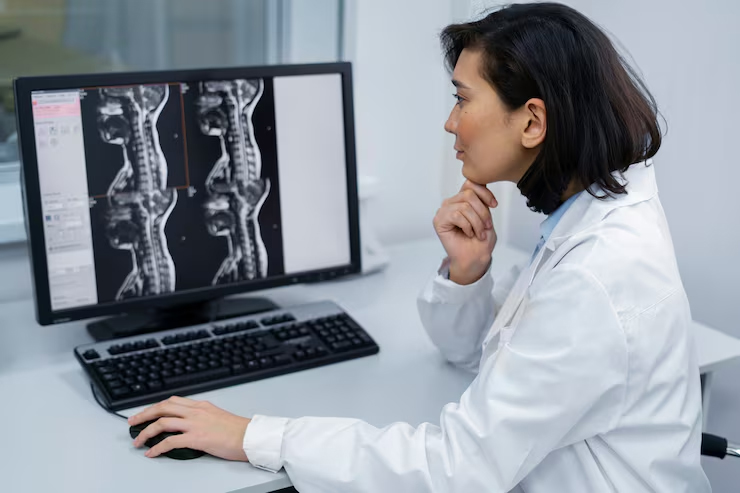
- Imaging (X-ray, MRI, CT scan) shows severe structural damage
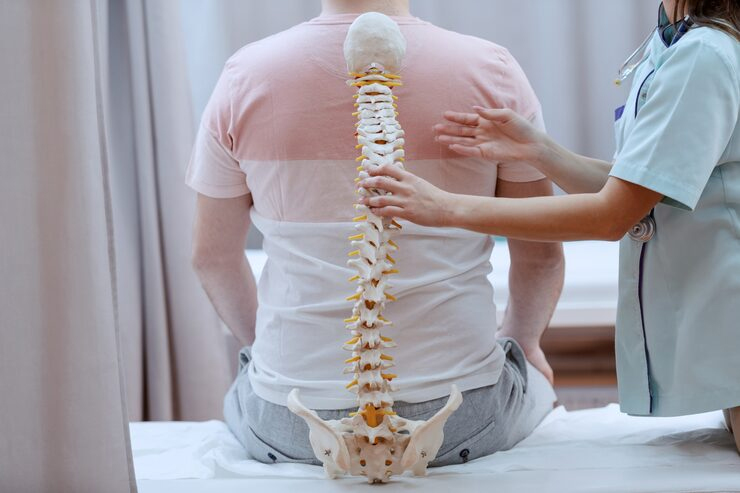
Types of Spine Surgery
1. Minimally Invasive Spine Surgery (MISS)
- Uses tiny incisions and special instruments
- Less blood loss, less muscle damage, faster recovery
- Commonly used for disc problems, spinal stenosis, and some fusions
2. Discectomy / Microdiscectomy
- Removal of part of a herniated disc pressing on a nerve
- Often relieves sciatica (leg pain) and arm pain
3. Laminectomy / Laminotomy
- Removal of part of the vertebral bone to create space for nerves
- Common for spinal stenosis
4. Spinal Fusion
- Permanently joins two or more vertebrae for stability
- Used for degenerative disc disease, instability, fractures, or deformity
5. Vertebroplasty / Kyphoplasty
- Injection of bone cement into a fractured vertebra to relieve pain and stabilize it
6. Deformity Correction Surgery
- For scoliosis, kyphosis, or other abnormal spinal curves
- Involves rods, screws, and bone grafts to straighten the spine
7. Artificial Disc Replacement
- Replaces a damaged disc with an artificial one, preserving motion
- Alternative to fusion in selected cases
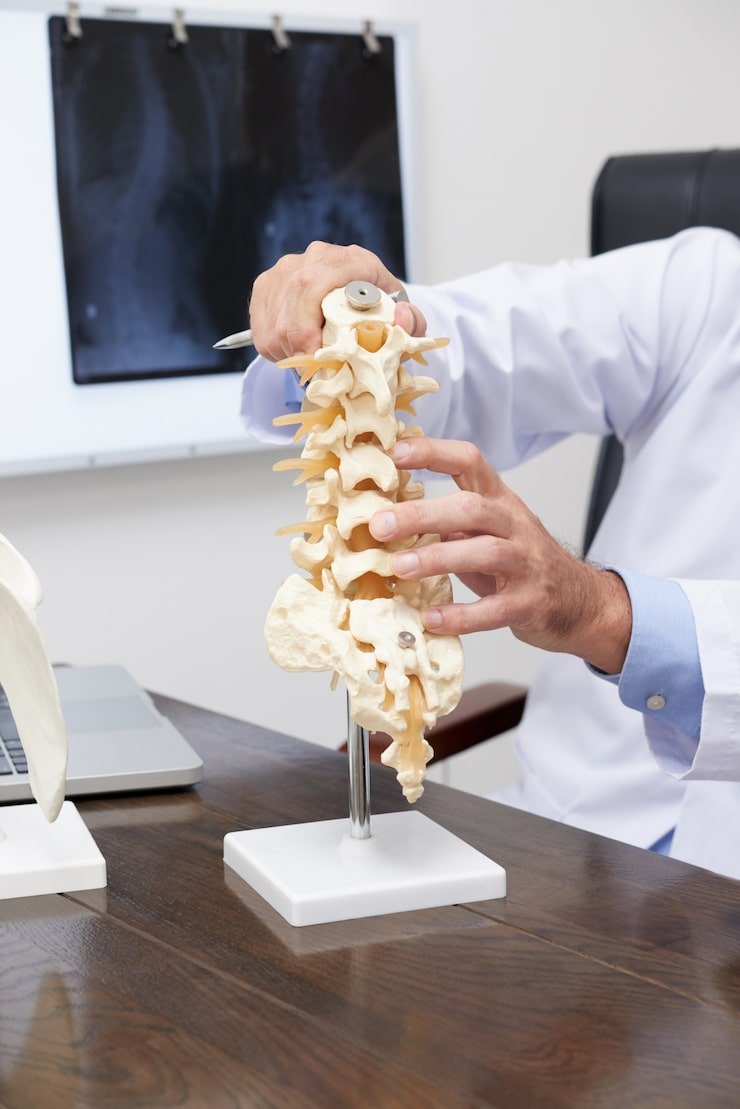
How the Surgery is Done – Step by Step
- Preoperative Evaluation – Medical history, blood tests, imaging scans, and anesthesia assessment
- Anesthesia – Usually general anesthesia (patient is asleep)
- Surgical Procedure – Depending on the type, may involve removing damaged tissue, decompressing nerves, stabilizing bones, or correcting deformity
- Closing the Incision – Sutures or staples are used; dressings applied
- Immediate Recovery – Patient monitored in recovery room before shifting to ward
Benefits of Spine Surgery
- Reduction or complete relief from chronic back/neck pain
- Improved movement, posture, and balance
- Better nerve function and muscle strength
- Return to work and normal activities sooner
- Prevention of further damage to spinal cord or nerves

Risks and Possible Complications
Like any major surgery, spine surgery has potential risks:
- Infection
- Bleeding
- Nerve injury
- Blood clots
- Implant failure or loosening
- Persistent pain in some cases
- Need for revision surgery
Modern surgical techniques and advanced equipment significantly reduce these risks.
Recovery After Spine Surgery
- Hospital Stay: 1–3 days for minimally invasive, up to a week for complex surgery
- Mobility: Walking may start within 24–48 hours
- Physiotherapy: Essential for strengthening muscles and improving flexibility
- Return to Work: 4–6 weeks for light jobs; longer for heavy labor
- Full Recovery: 3–6 months, depending on the surgery type

Modern Advancements That Help Patients Heal Faster
- Endoscopic spine surgery – Ultra-small incisions, quick discharge
- Robotic-assisted surgery – Higher precision and safety
- Intraoperative navigation systems – Real-time imaging for accurate placement of implants
Life After Spine Surgery
Most patients enjoy a pain-free, active lifestyle after successful surgery.With proper care—healthy weight, good posture, avoiding heavy lifting, and regular exercise—results can last a lifetime.