Fracture & Trauma Surgery
Fracture & Trauma Surgery – Restoring Strength, Stability, and Function
Bones are the strong framework that support and protect your body. However, accidents, falls, sports injuries, and other high-impact events can cause fractures (broken bones) or orthopaedic trauma—severe injuries to the bones, joints, muscles, ligaments, and surrounding soft tissues.
Some fractures are simple and heal with rest, plaster, or bracing. But in many cases—especially when the break is complex, involves multiple bones, or affects a joint—surgical treatment is required to restore normal alignment, movement, and function.
Dr. Samiran Purkait is highly experienced in managing all types of fractures and trauma injuries, from simple cracks to life-threatening multiple fractures, using advanced surgical techniques that promote faster healing, minimal scarring, and better long-term results.
Why Fractures and Trauma Happen
Common causes include:
- Road traffic accidents
- Falls from height
- Sports injuries
- Work-related accidents
- Osteoporosis (weak bones breaking easily)
- High-impact physical activities
- Direct blows during physical altercations or sports
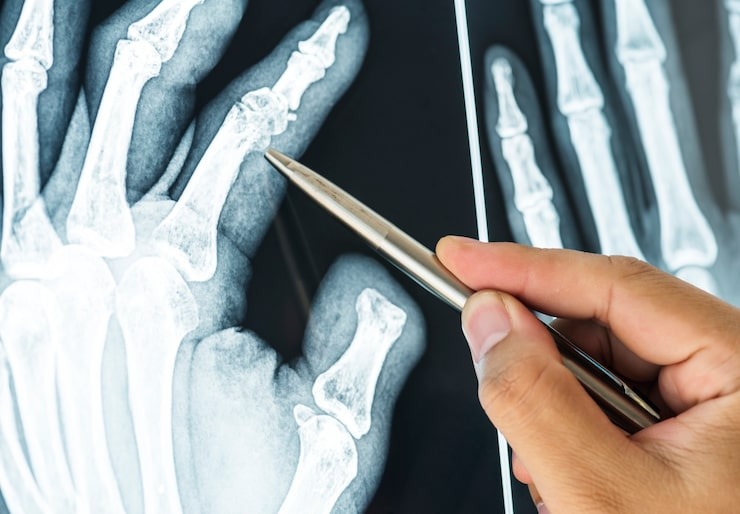
Types of Fractures
- Closed fracture : Bone is broken but skin remains intact
- Open (compound) fracture : Bone pierces the skin; higher risk of infection
- Simple fracture : A clean break in one place
- Comminuted fracture : Bone shatters into multiple pieces
- Greenstick fracture : Bone bends and cracks (common in children)
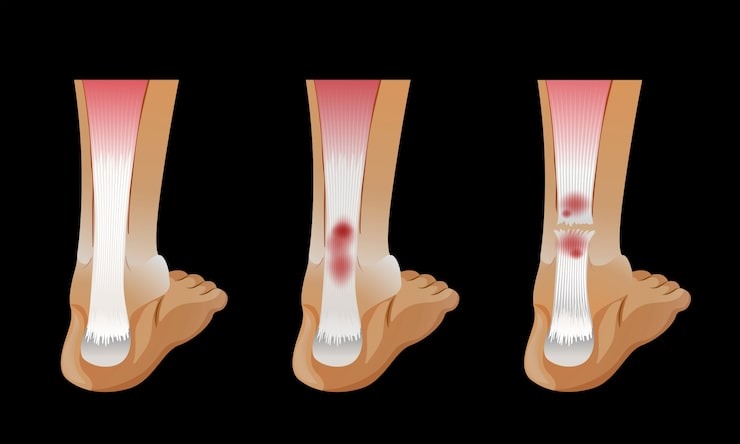
- Pathological fracture : Break occurs due to weakened bones (e.g., cancer, osteoporosis)
- Stress fracture : Tiny cracks from repetitive stress or overuse
When Surgery is Needed for Fractures
Not all fractures require surgery—but you may need it if:
- The bone is severely displaced or misaligned
- The fracture involves a joint (hip, knee, elbow, ankle)
- Multiple fractures or complex breaks are present
- There is damage to surrounding muscles, blood vessels, or nerves
- A bone has broken through the skin (open fracture)
- Previous fracture treatment has failed to heal (non-union or malunion)
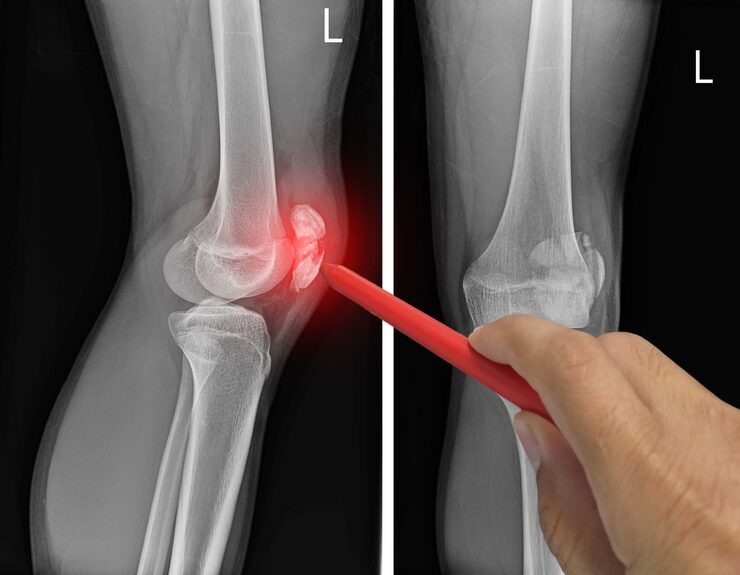
Common Surgical Treatments
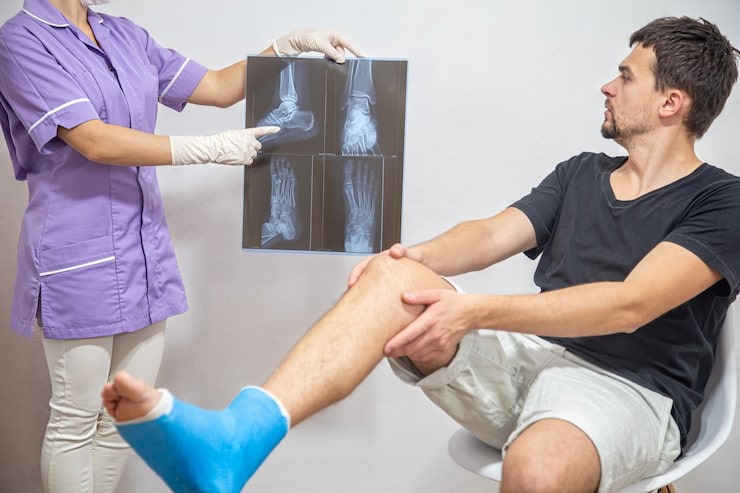
- Open Reduction and Internal Fixation (ORIF) : Broken bones are realigned and held in place with plates, screws, or rods
- Intramedullary Nailing : A metal rod is placed inside the bone’s canal for stability (often used for thigh or shin fractures)
- External Fixation : Metal pins and rods outside the body hold bones in place temporarily or permanently
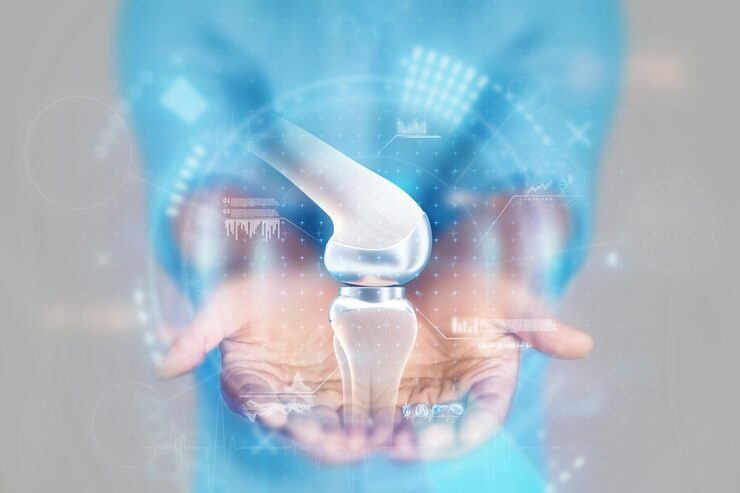
- Joint Reconstruction : For fractures involving a joint surface to restore smooth movement
- Bone Grafting : Adding bone material to help healing in cases of bone loss or slow healing
Benefits of Timely Trauma Surgery
- Faster and more predictable healing
- Restoration of normal bone alignment
- Prevention of deformity or long-term disability
- Better joint function and mobility
- Reduced risk of chronic pain and arthritis
The Surgical Process
- Emergency Care : Stabilizing the patient, controlling bleeding, pain relief
- Imaging Tests : X-rays, CT scans, or MRI to assess the injury
- Surgery : Performed under anesthesia, using the best fixation method for the fracture type
- Postoperative Care Pain control, wound care, early movement when safe
Recovery After Fracture Surgery
- Hospital stay: Usually 1–3 days depending on injury severity
- Early physiotherapy starts to prevent stiffness and muscle weakness
- Most bones take 6–12 weeks to heal, but complex fractures may require longer
- Return to sports or heavy work may take 3–6 months
- Regular follow-up and X-rays are important to track healing progress
Advanced Techniques Dr. Samiran Purkait Uses
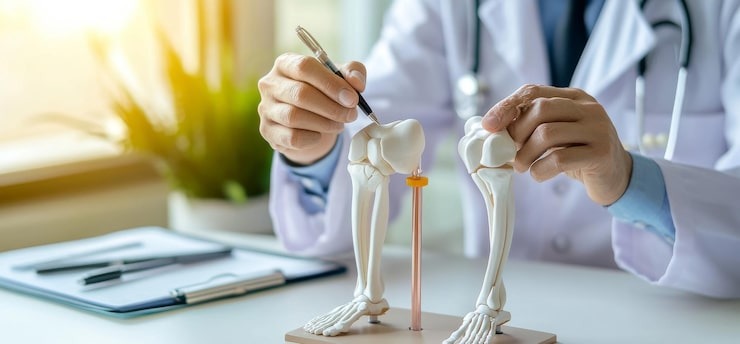
- Minimally invasive fixation : Smaller cuts, faster recovery
- Locked plating systems : Strong fixation for osteoporotic or complex fractures
- Hybrid external fixators : Useful for severe injuries or infected fractures
Life After Trauma Surgery
With proper treatment and rehabilitation, most patients regain full function and strength.Following safety precautions—using protective gear during sports, fall prevention, and maintaining bone health—can help avoid future injuries.