Blog Details
6 Fall Prevention Tips for Seniors: Stay Steady, Stay Independent
By Richard Peace | Sep 16, 2025Although growing older is a wonderful experience, there are certain additional safety measures to take, particularly with regard to mobility and balance.
Did you know that every year, one in four people over 65 suffers a fall? Many people may sustain severe injuries from that fall, such as hip injuries or fractures, from which they may not fully recover for months.
As an orthopaedic physician, I frequently encounter elderly patients who regret not taking precautions sooner to prevent that one unplanned slip. The majority of falls can be avoided with a few easy lifestyle adjustments, so they aren’t just the result of bad luck.
These six simple, doable suggestions will help elders stay mobile and prevent falls.
1. Keep Moving to Stay Strong
When it comes to preventing falls, movement is your best ally. Tai chi, swimming, strolling, and even modest chair exercises are examples of gentle activities that can have a significant impact. Your muscles, joints, and balance are all maintained with these activities.
Running marathons is not necessary; moderate exercise for 20 to 30 minutes most days can be quite beneficial. Your orthopaedic doctor or physiotherapist can recommend a safe, customised routine if you’re not sure where to begin.
2. Make Your Home a Safe Space
Since most falls occur at home, minor adjustments here can have a significant effect. Look for trip risks when you go around your home. Among the easy remedies are:
- Taking out loose rugs or using non-slip mats to secure them
- Keeping floors and corridors clutter-free
- Grab bars are being installed in the restroom.
- Adding adequate lighting to entryways and stairwells
- Verifying if there are strong railings on both sides of the steps
Consider it “spring cleaning for safety”; you’ll feel safer the less cluttered your home is.
3. Choose the Right Shoes
Your footwear can either assist you in maintaining your balance or increase your risk of slipping. For supportive shoes with non-slip soles, swap out your high heels, loose slippers, or shoes with smooth soles.
A decent pair of shoes should be low-heeled, fit properly, and support the arch. Additionally, socks can be very slippery when worn on hard floors, so avoid wearing them.
4. Monitor Your Eyes and Ears
Your ability to see and hear is essential for maintaining awareness of your environment. Falls can be more likely if you have poor depth perception or don’t hear warning signals.
Make an appointment for routine eye and ear exams. If necessary, adjust your prescription for glasses, and if advised, get hearing aids. Making minor adjustments here can have a significant impact on your confidence and balance.
5. Review Your Medications
Certain medications, particularly those for mood, sleep, or blood pressure, can make you feel lightheaded or unsteady. Side effects from even over-the-counter medications can raise the risk of falls.
When you see your doctor next, remember to bring all of your medications. Your doctor can determine whether there are any factors influencing your equilibrium and, if so, make the required corrections.
6. Don’t Be Afraid of Support
Using a cane, walker, or grab bar is not a sign of weakness; it’s about remaining safe, not slowing down. Learn how to operate any assistive technology that your doctor suggests. You can move more confidently if you use the proper support, especially in uneven or unfamiliar areas.
The Importance of Fall Prevention
A fall might alter your freedom and cause more than simply a fright. Weeks or months of restricted movement are common throughout the recovery process from a fracture or other serious injury, which can have an impact on your general health and way of life.
The good news? You may significantly lower your risk and keep doing the things you enjoy by following these easy actions.
When to See an Orthopaedic Doctor
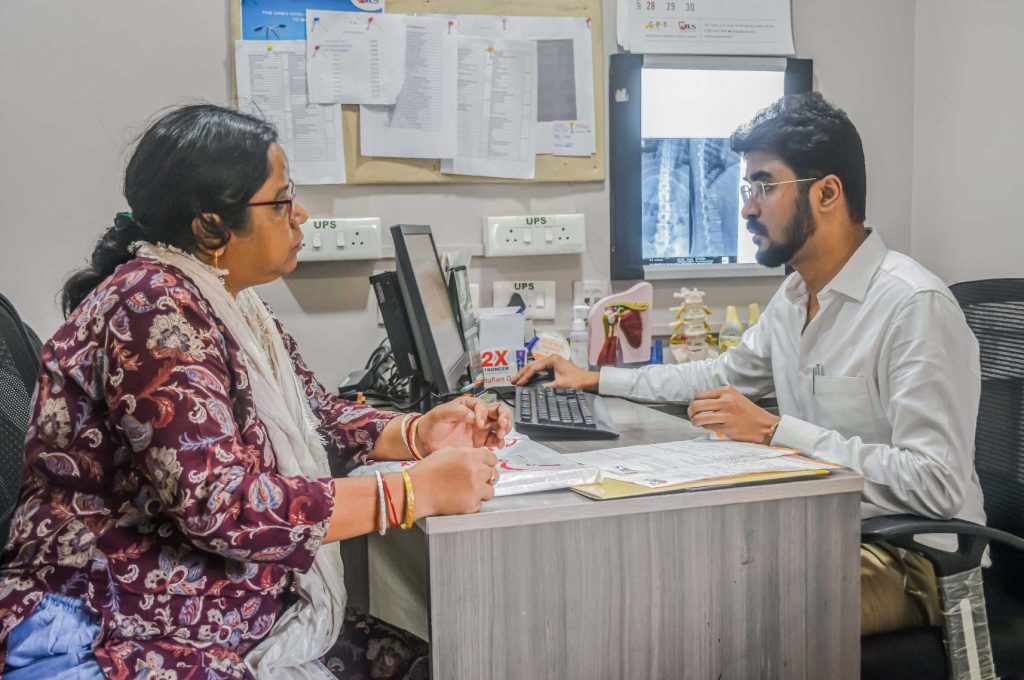
You should see an orthopaedic expert if you have recently experienced a fall, notice that your balance has changed, or experience joint pain that interferes with your ability to move.
Here at our clinic, we offer:
- Evaluations of fall risk
- Bone health examinations
- Personalized workout regimens
- Advice on home safety
- Programs for physiotherapy and rehabilitation
Our goal is to keep you stable, resilient, and self-sufficient.
Conclusion:
Growing older does not imply slowing down; rather, it simply means becoming more aware of safety precautions. You can enjoy your golden years with confidence and peace of mind if you continue to be active, make little adjustments at home, and get the proper medical guidance.
Book your fall prevention consultation today with Dr. Anoop Mohan Nair, your trusted orthopaedic doctor, and take the first step toward a safer, stronger future.
Recent Posts
How Weight Affects Your Joint Health
Sep 16, 2025

Home Exercises for Stronger Knees and Hips
Sep 16, 2025
Book Your Appointment
Don’t let pain limit your life. Whether it’s a sports injury, arthritis, a spine problem, or a fracture, Dr. Samiran Purkait is here to help you move freely again.
Address
ILS Hospitals, Howrah
Call Us
+91 9876543210
Send us a Mail
samiran.nrs@gmail.com