Joint Replacement Surgery
1. Joint replacement
Joint Replacement – A Complete Guide for Patients
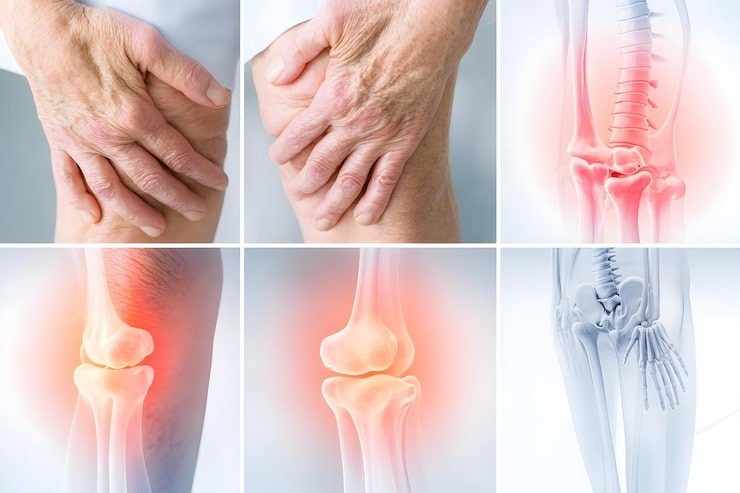
Our body’s joints—like the knee, hip, and shoulder—are designed to let us move smoothly, bear weight, and perform daily activities without pain. However, over time, joints can get damaged due to arthritis, injury, wear and tear, or other medical conditions. When the damage becomes severe, it may cause constant pain, stiffness, swelling, and difficulty in movement, making even simple tasks like walking, climbing stairs, or lifting objects hard to do.
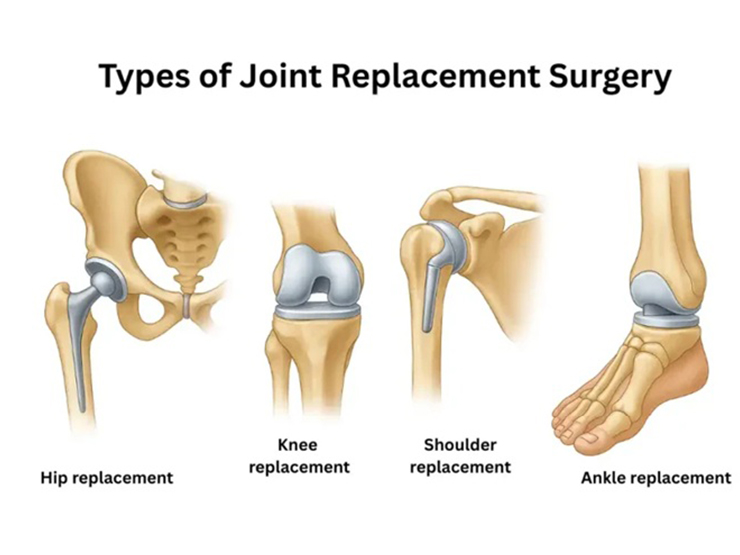
Joint Replacement Surgery is a medical procedure in which a damaged joint is replaced with an artificial joint (prosthesis). This artificial joint is usually made from high-quality metal alloys, strong plastics, or ceramics, designed to function like a natural joint and last for many years.
Why Joint Replacement is Needed
You might need joint replacement if:
- Pain is severe and does not improve with medicines, physiotherapy, or other treatments
- You have difficulty performing everyday activities (walking, bending, lifting, sitting, standing)
- Your joint is stiff, swollen, or deformed
- Pain interferes with your sleep and quality of life
Types of Joint Replacement
- 1. Total Joint Replacement (TJR) The entire damaged joint is replaced with a prosthesis.
- 2. Partial Joint Replacement Only the damaged part of the joint is replaced, keeping the healthy part intact.
- 3. Revision Joint Replacement Replacing an old or damaged artificial joint with a new one.
The Procedure – Step by Step
The good news? You don’t have to lose 20–30 kilos to feel better. Even a small reduction can bring big relief. Losing only 5–10% of your body weight can:
- 1. Pre-surgery Evaluation Detailed medical check-ups, X-rays, MRI scans, and blood tests to plan the surgery.
- 2. Anaesthesia Either general (you’ll be asleep) or regional (numbing the area).
- 3. Removal of Damaged Joint Surfaces The surgeon carefully removes the worn-out cartilage and bone.
- 4. Placing the Prosthesis The new artificial joint is fixed in place with special cement or is designed to let your bone grow into it naturally.
- 5. Closing the Incision & Recovery The wound is stitched, and recovery begins immediately with physiotherapy.


Benefits of Joint Replacement
- Significant pain relief or complete removal of pain
- Improved mobility and range of motion
- Better joint function and strength
- Return to normal daily activities and hobbies
- Enhanced quality of life
Recovery After Surgery
- Most patients start walking within a day or two (sometimes the same day with modern techniques).
- Physiotherapy is essential to regain full movement.
- Recovery time varies from 4 to 12 weeks, depending on the joint and patient’s health.
2. Knee replacement
Knee Replacement Surgery – Regain a Pain-Free Life
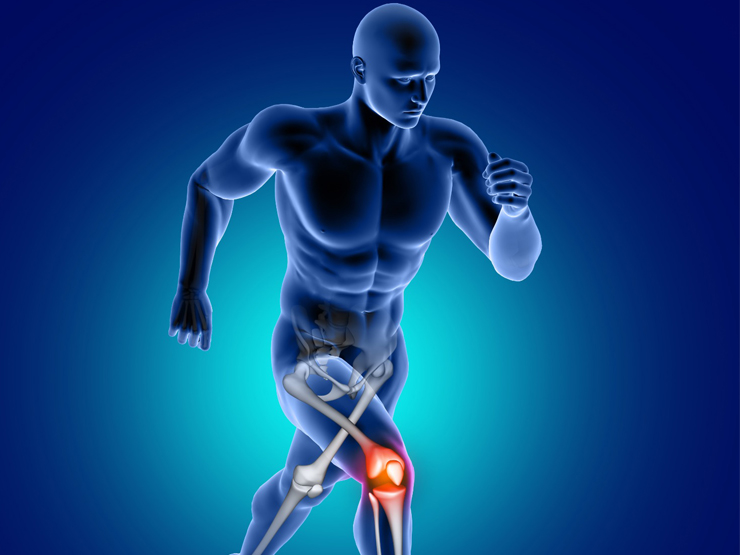
The knee is one of the most important joints in the body. It supports your weight, allows you to walk, climb stairs, sit, stand, and perform countless daily activities. But when the knee joint becomes badly damaged due to arthritis, injury, or wear and tear, it can cause constant pain, stiffness, and difficulty in movement.
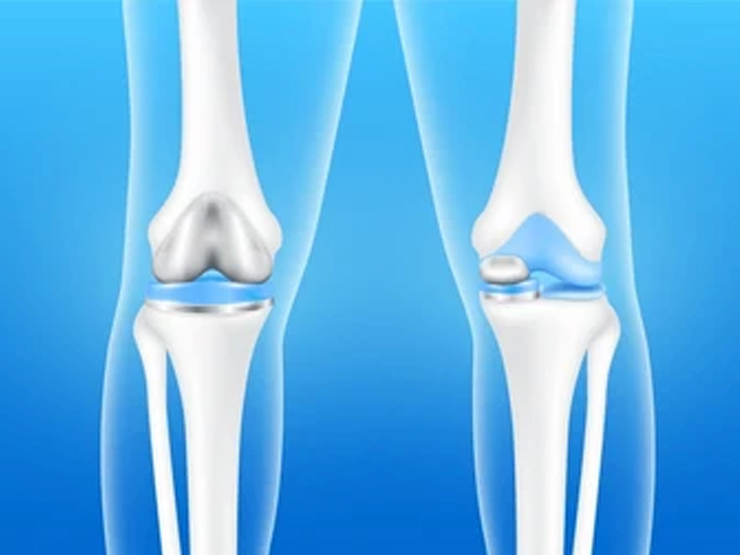
Knee Replacement Surgery—also called Total Knee Replacement (TKR) or Knee Arthroplasty—is a procedure in which the damaged parts of the knee joint are replaced with an artificial joint (prosthesis). This artificial joint is specially designed to mimic the natural movement of a healthy knee.
When Do You Need Knee Replacement?
Your doctor may recommend knee replacement if:
- Knee pain is severe and constant, even while resting or sleeping
- Walking, standing, or climbing stairs has become difficult
- Pain persists despite medicines, injections, or physiotherapy
- There is stiffness, swelling, or deformity in the knee
- X-rays show advanced joint damage
Types of Knee Replacement
- 1. Total Knee Replacement (TKR) The entire knee joint is replaced with an artificial joint.
- 2. Partial Knee Replacement (PKR) Only the damaged portion of the knee is replaced, keeping healthy parts intact.
- 3. Revision Knee Replacement Replacing a worn-out or damaged artificial knee joint with a new one.
How the Surgery is Performed
- 1. Preparation The area is cleaned and sterilized, and anesthesia is given.
- 2. Removing Damaged Tissue Worn-out cartilage and a small portion of bone are removed.
- 3. Placing the Prosthesis The artificial joint, made of metal and plastic, is fixed to the bone.
- 4. Testing the Movement The surgeon ensures smooth movement before closing the incision.
Benefits of Knee Replacement
- Significant pain relief or complete elimination of pain
- Improved mobility and flexibility
- Ability to walk longer distances without discomfort
- Better quality of life and return to daily activities
Recovery and Rehabilitation
- Most patients can walk with support within 24–48 hours after surgery.
- Physiotherapy is essential to strengthen muscles and restore movement.
- Light activities can be resumed in 4–6 weeks, with full recovery in about 3 months.
- With proper care, a knee implant can last 15–20 years or more.
3. Hip replacement
Hip Replacement Surgery – Move Freely Without Pain
The hip joint is one of the body’s largest and most important joints. It allows you to walk, bend, sit, and perform a wide range of movements. When the hip becomes damaged due to arthritis, injury, fractures, or wear and tear with age, it can cause severe pain, stiffness, and difficulty moving.
Hip Replacement Surgery—also known as Total Hip Arthroplasty—is a procedure in which the damaged parts of the hip joint are replaced with an artificial joint (prosthesis) made of metal, ceramic, or durable plastic. This artificial joint is designed to move smoothly and last for many years, restoring comfort and mobility.
When Do You Need Hip Replacement?
You may be advised to undergo hip replacement if:
- You have constant hip pain that affects sleep and daily activities
- Walking, bending, or standing for long periods has become difficult
- Pain persists despite medicines, physiotherapy, or injections
- There is stiffness or reduced movement in the hip joint
- X-rays or scans show significant joint damage or bone loss
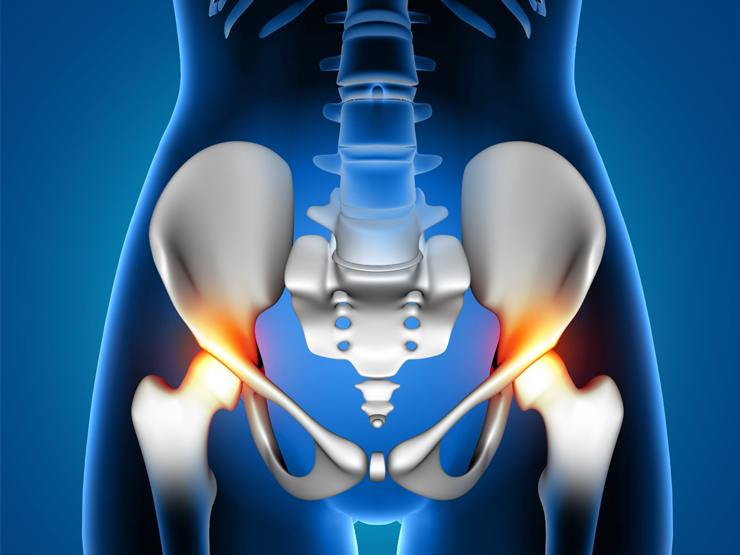
Types of Hip Replacement
- 1. Total Hip Replacement Both the ball and socket parts of the hip are replaced.
- 2. Partial Hip Replacement Only the damaged ball portion is replaced.
- 3. Revision Hip Replacement Replacing an old or damaged artificial hip joint with a new one.
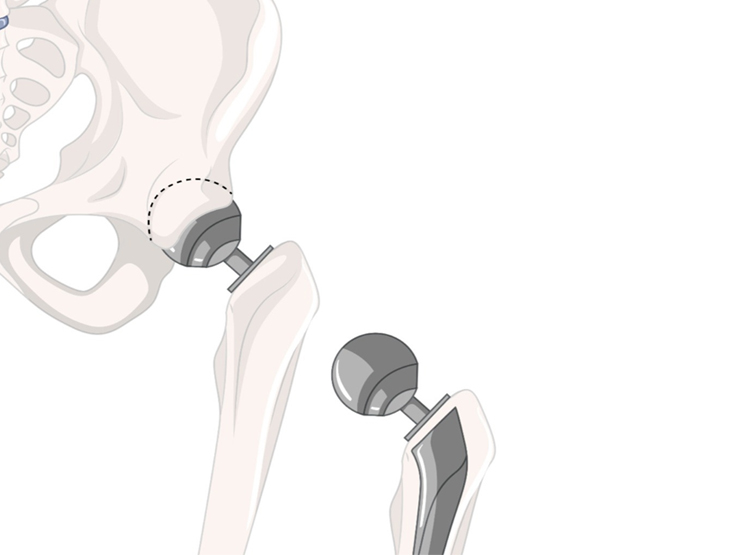
How the Surgery is Performed
- 1. Preparation The surgical site is sterilized, and anesthesia is given.
- 2. Removing Damaged Joint Surfaces The damaged ball at the top of the thigh bone (femur) and the socket in the pelvis are removed.
- 3. Placing the Prosthesis A new artificial ball and socket are fitted and secured in place.
- 4. Testing Movement The surgeon ensures smooth, stable motion before closing the incision.
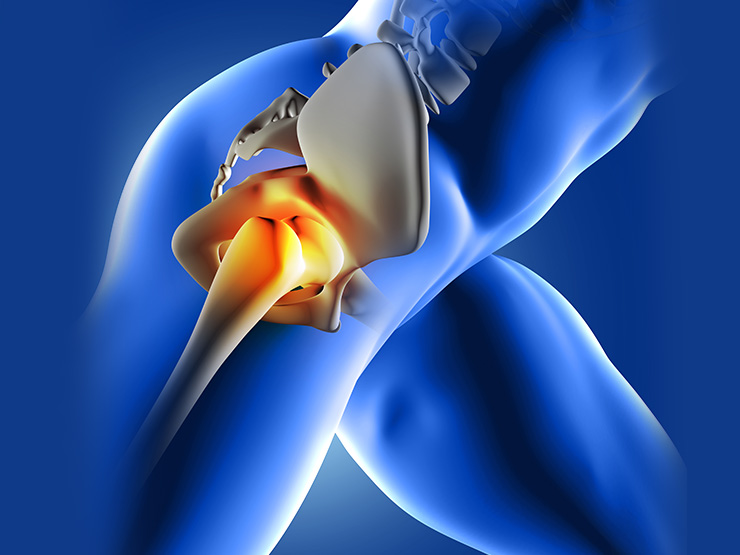
Benefits of Hip Replacement
- Significant reduction or complete relief from pain
- Improved walking ability and range of motion
- Greater independence in daily activities
- Long-lasting results with modern implants (often 15–25 years or more)
Recovery and Rehabilitation
- Most patients can start walking with support within 24–48 hours after surgery.
- Physiotherapy helps restore muscle strength and joint flexibility.
- Light activities can usually be resumed in 4–6 weeks, with complete recovery in 3–6 months.
- Following the doctor’s advice and exercises is essential for the best results.